
MG petrol cars end in China: SAIC brand goes all-in on NEVs from January 2027
SAIC Motor's MG will stop building its petrol-only models for mainland China on January 1, 2027. Announced at the Guangzhou Auto Show, the move makes the century-old British-born brand the latest major name to leave pure combustion cars behind in China, where new energy vehicles now take almost 70% of retail sales.
MG chose the opening day of the 2026 Guangzhou Auto Show, November 27, to draw a line under its combustion past at home. From January 1, 2027, MG will no longer build the currently sold versions of its pure petrol models for the Chinese mainland and will focus entirely on new energy vehicles (NEVs): battery-electric cars and plug-in hybrids.
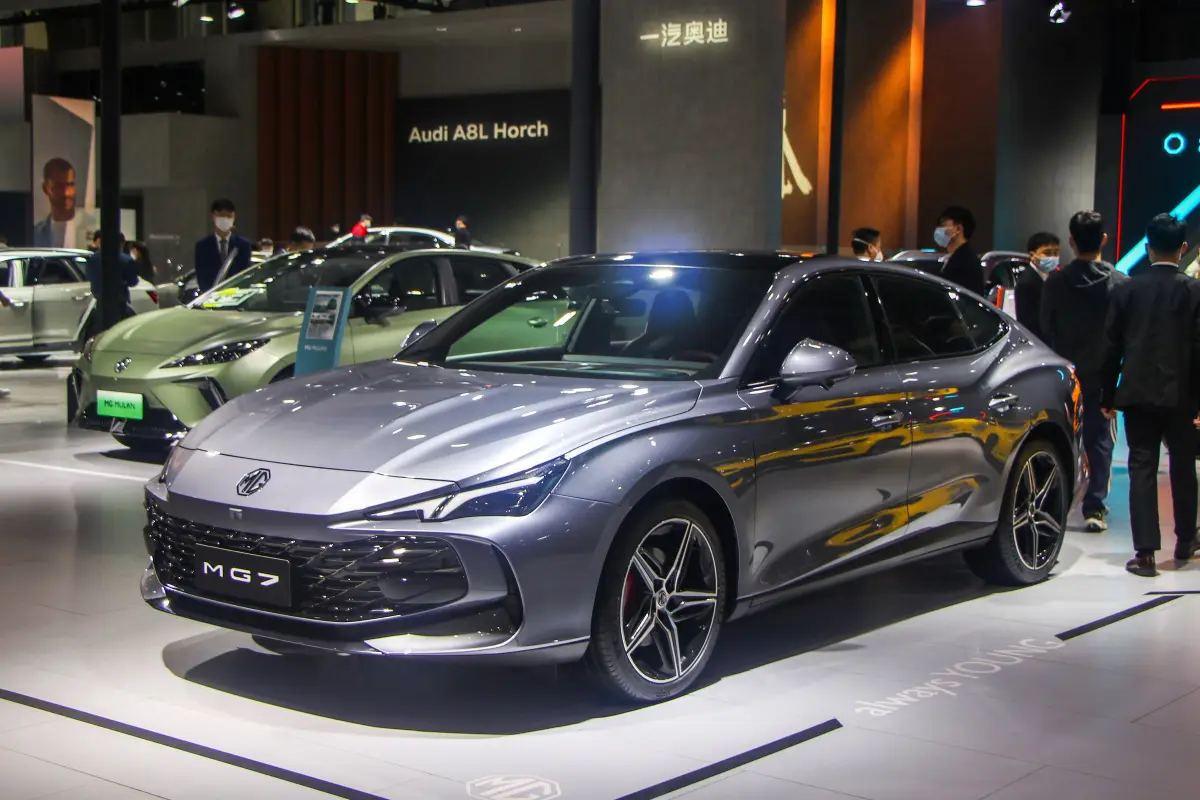
Three nameplates are affected: the MG5 and MG6 sedans and the MG7 fastback. Existing owners of MG petrol cars are not being abandoned. The brand promises full maintenance service and parts supply for the whole life cycle of their vehicles.
China only: export line-ups stay as they are
The decision covers cars built for the Chinese mainland only. MG stressed that, as a global brand, it will respect the energy mix, buyer habits and regulations of each region and electrify "according to local conditions". In other words, the petrol and hybrid MGs sold in Europe, the Middle East, Latin America and other export markets are not affected for now. MG already builds cars in Thailand and is planning a new plant in Spain.
What MG has not said yet is when sales of the remaining petrol stock will end or how dealer inventory will be cleared. In practice, the petrol models are already in a stock clearance phase, according to SAIC Passenger Vehicle data cited by Sichuan Online.
Why MG can afford to do it now
The sales figures explain the timing. In October, MG sold more than 85,000 new energy vehicles worldwide, over 31,000 of them in China. Its domestic retail volume that month was 32,059 cars, and more than 97% of them were NEVs.
Two models do most of the work. The MG4 electric hatchback found 15,503 buyers in China in October, and the MG 07 fastback, launched only in August, added 12,393. The petrol MG5, by contrast, sold just 374 units, according to Yiche data quoted by Automotive World.
Zhang Yu, MG's brand and marketing director, told PCauto at the show that the turnaround started about 500 days ago, in June 2025, when MG announced in Tianjin that it would invest around $1.5 billion and go "all in" on new energy. He summed up the results like this:
| Indicator | Mid-2025 | Late 2026 |
|---|---|---|
| Annual sales | about 50,000 | close to 230,000 |
| Dealers in China | 200+ | 600+ |
| NEV share of sales | target: 75%+ | over 97% |
| Average transaction price | under $14,900 | about $21,200 |
Cost is the other driver. "MG's domestic petrol business has lost its economies of scale," Zhang Xiang, a researcher at the automotive industry innovation centre of North China University of Technology, told Sichuan Online. Petrol and electric cars use completely separate parts, production lines and processes, he explained, so keeping a dedicated line running at low volume means losing money every time it starts. Splitting production between China and overseas plants is, in his view, a sensible way for MG to keep serving petrol demand abroad.
The line-up that takes over
MG's Guangzhou stand showed what Chinese buyers will get instead:
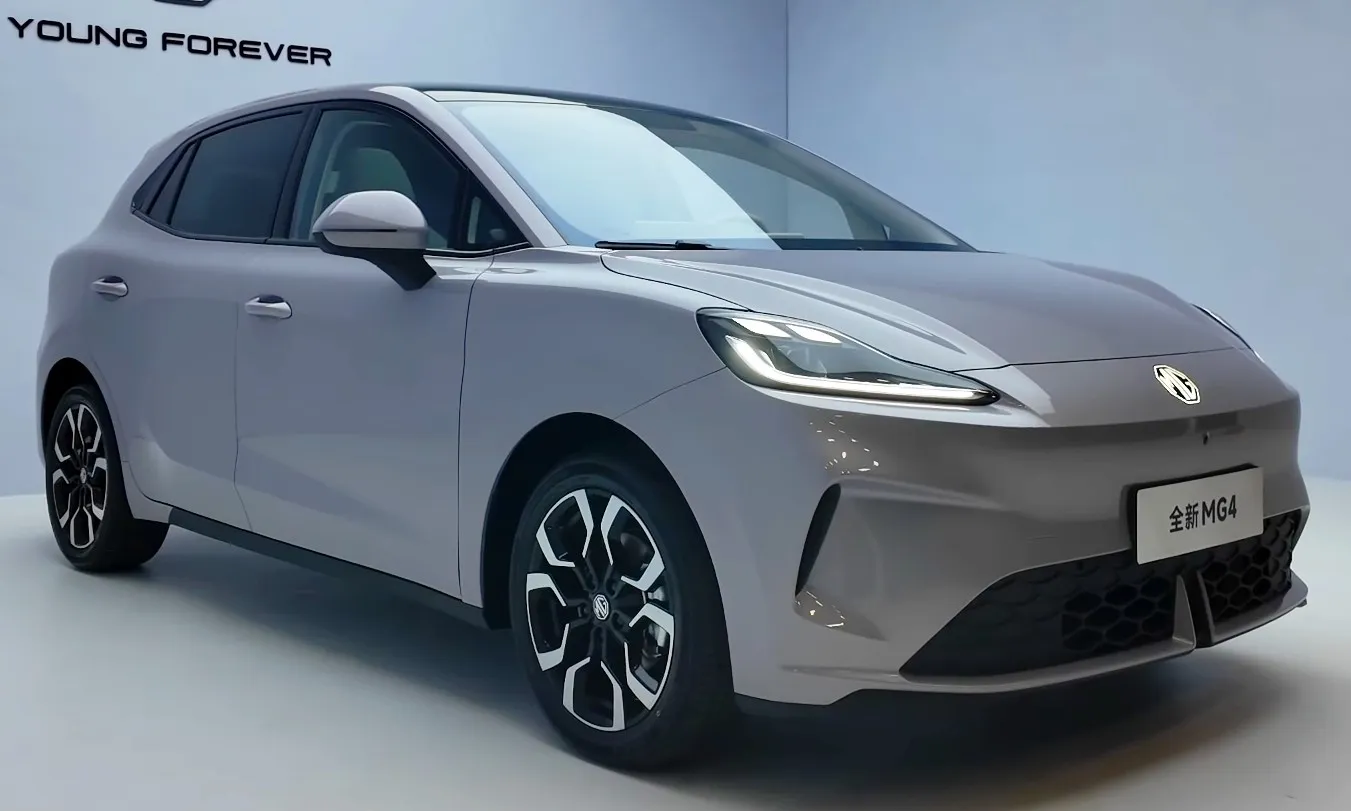
- MG4: the compact electric hatchback that MG says was the world's first production car with a semi-solid-state battery. The new 530 km version starts at about $11,800 with a limited-time subsidy.
- MG 4X: the first electric SUV in the MG4 family, with a semi-solid-state battery as standard, rear-wheel drive with five-link independent rear suspension and a 610 km version.
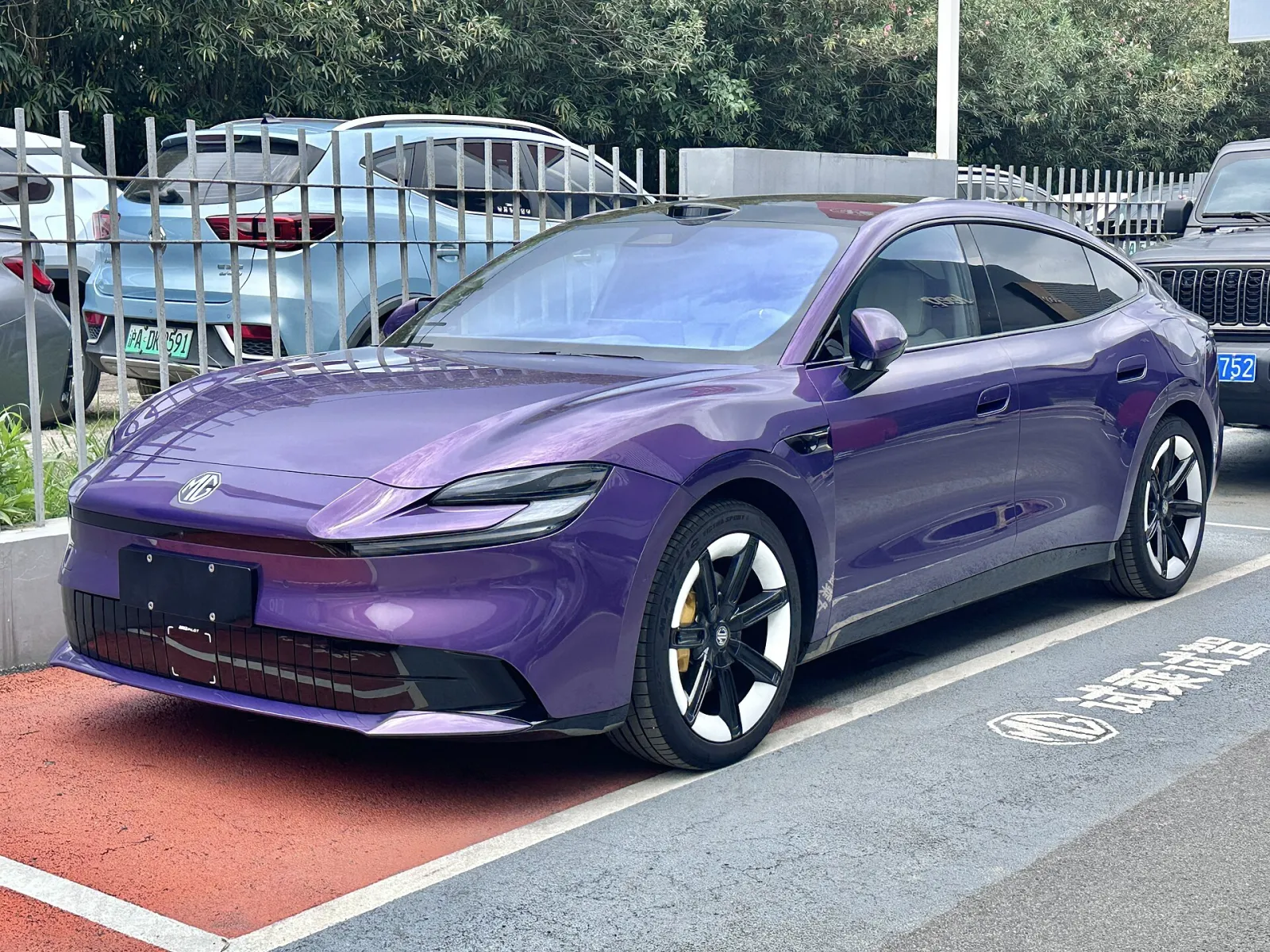
- MG 07: the new fastback comes as an EV with up to 845 km CLTC range, an 800-volt platform and 5C fast charging, or as a plug-in hybrid with a 30 kWh CATL battery, 245 km of electric range and 1,745 km combined. Electromagnetic damping is standard, lidar with Momenta R7 driver assistance is optional, and launch prices ran from about $15,800 to $23,400.
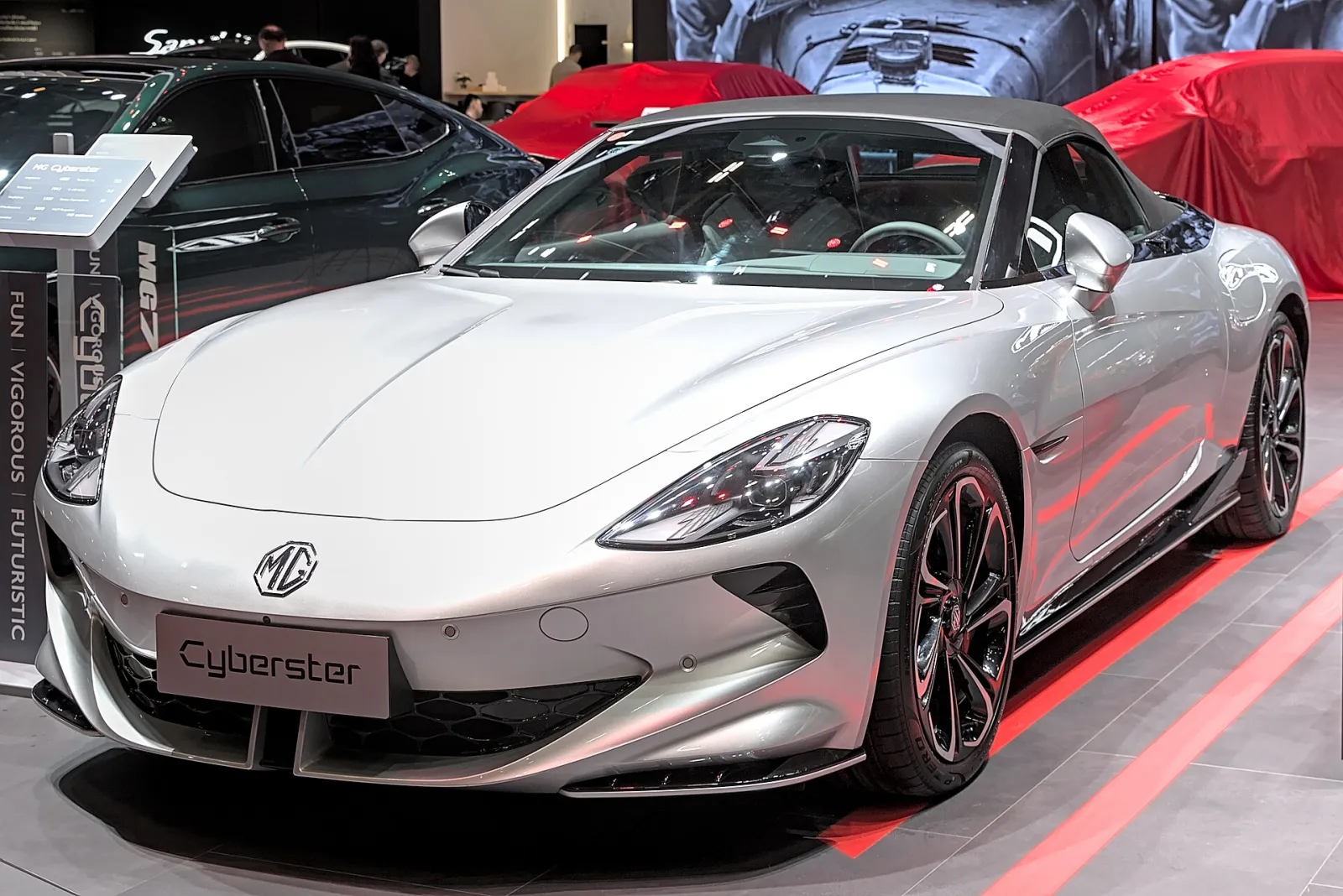
- Cyberster: the electric roadster. The dual-motor version has 544 PS and 725 Nm and reaches 100 km/h in 3.2 seconds. In Guangzhou MG opened a bespoke programme limited to 20 owners.
A market at the tipping point
MG is not the first to make the jump. BYD stopped building pure combustion cars back in March 2022. MG, however, is the first brand that built its business in China on affordable petrol sedans and SUVs to set a firm exit date. Its decision follows the market: according to the China Passenger Car Association (CPCA), the NEV share of passenger car retail sales hit a record 67.5% in October, and the association expects 70.6% in November, the first time above 70%.
The end of MG petrol cars in China is unlikely to be the last such announcement. With petrol volumes shrinking this fast, more brands will find it hard to justify separate combustion production lines for their home market. For MG, the harder part starts now: holding on to its share in the fiercely competitive electric and plug-in hybrid segment with nothing but NEVs.

MG 07 review: lidar, 840 km range and British heritage (Wheelsboy)