
Xpeng 6C charging arrives by software update as megawatt chargers head to Germany and the Netherlands
Xpeng will lift every car it has sold with a 5C battery to 6C charging through an over-the-air update, cutting a 10–80% top-up from 12 to about 10.7 minutes without touching the hardware. Two days later, at the Guangzhou Auto Show, the company named Germany and the Netherlands as the first European locations for its 1,000 kW X-Energy charging stations.
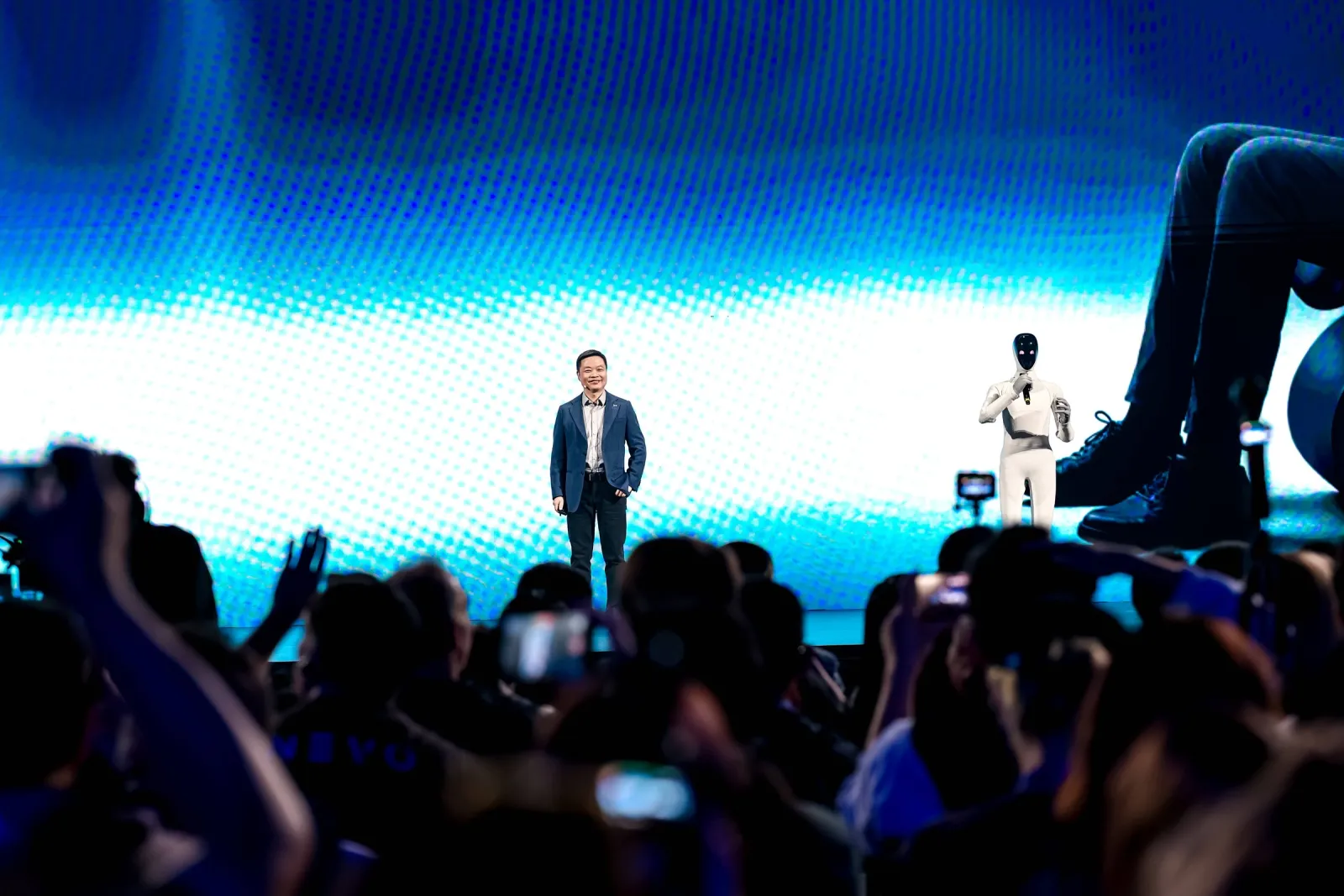
On November 25, at its annual Tech Day in Guangzhou, held this year under the name "Origin", Xpeng chairman and CEO He Xiaopeng announced what the company calls an industry first: a charging-rate upgrade delivered over the air. Cars that left the factory with 5C fast-charging batteries will be lifted to Xpeng 6C charging with no change to the battery, power electronics or cooling system. According to Xpeng, a 10–80% charge will then take as little as 10.7 minutes instead of 12.
The upgrade covers all of the brand's 5C models, with both lithium iron phosphate (LFP) and ternary (NMC) battery packs, and will be rolled out in batches. Xpeng has not yet published a schedule by model or by market.
What changes when 5C becomes 6C
The C-rate links charging power to battery capacity. At 1C a battery would, in theory, fill up in an hour; at 5C in 12 minutes; at 6C in 10. In practice a battery holds its peak only for part of a session and slows down as it fills, so the real gain is smaller than the jump from 5 to 6 suggests: on Xpeng's own figures, the 10–80% window shrinks by 1 minute 18 seconds, or about 11%.
The change lives in software. The battery management system tells the charger how much current to supply and adjusts that request to cell temperature, state of charge and ambient conditions. Xpeng says it used AI models trained on large volumes of charging data to redraw the curve: peak power rises and, just as importantly, the car holds high power for longer at higher states of charge. The limit is the charger itself — a station already running at its maximum cannot deliver more current just because the car asks for it.
Faster charging naturally raises questions about battery life, and He Xiaopeng addressed them on stage. Xpeng says the packs have gone through more than 1.2 million hours of durability testing, equivalent to over 25 million km, at temperatures from −30 °C to +45 °C, along with crash, crush, fire and immersion tests. What the company has not published is degradation data comparing regular 6C and 5C charging — the figure long-term owners will care about most.
| Item | Details |
|---|---|
| 10–80% charge before the update (5C) | 12 minutes |
| 10–80% charge after the update (6C) | about 10.7 minutes |
| Time saved | 1 min 18 s (about 11%) |
| Hardware changes | none (battery, power electronics and cooling unchanged) |
| Battery chemistries | LFP and NMC |
| Validation | 1.2 million+ test hours, 25 million+ km equivalent, −30 to +45 °C |
| Rollout | in batches to all 5C models; dates and markets not announced |
| X-Energy station peak output | 1,000 kW, up to 1,000 A |
| X-Energy grid connection | no more than 240 kW (400 kWh on-site storage) |
| Next X-Energy sites | Germany, the Netherlands, Australia, second Hong Kong site |
Which cars are affected
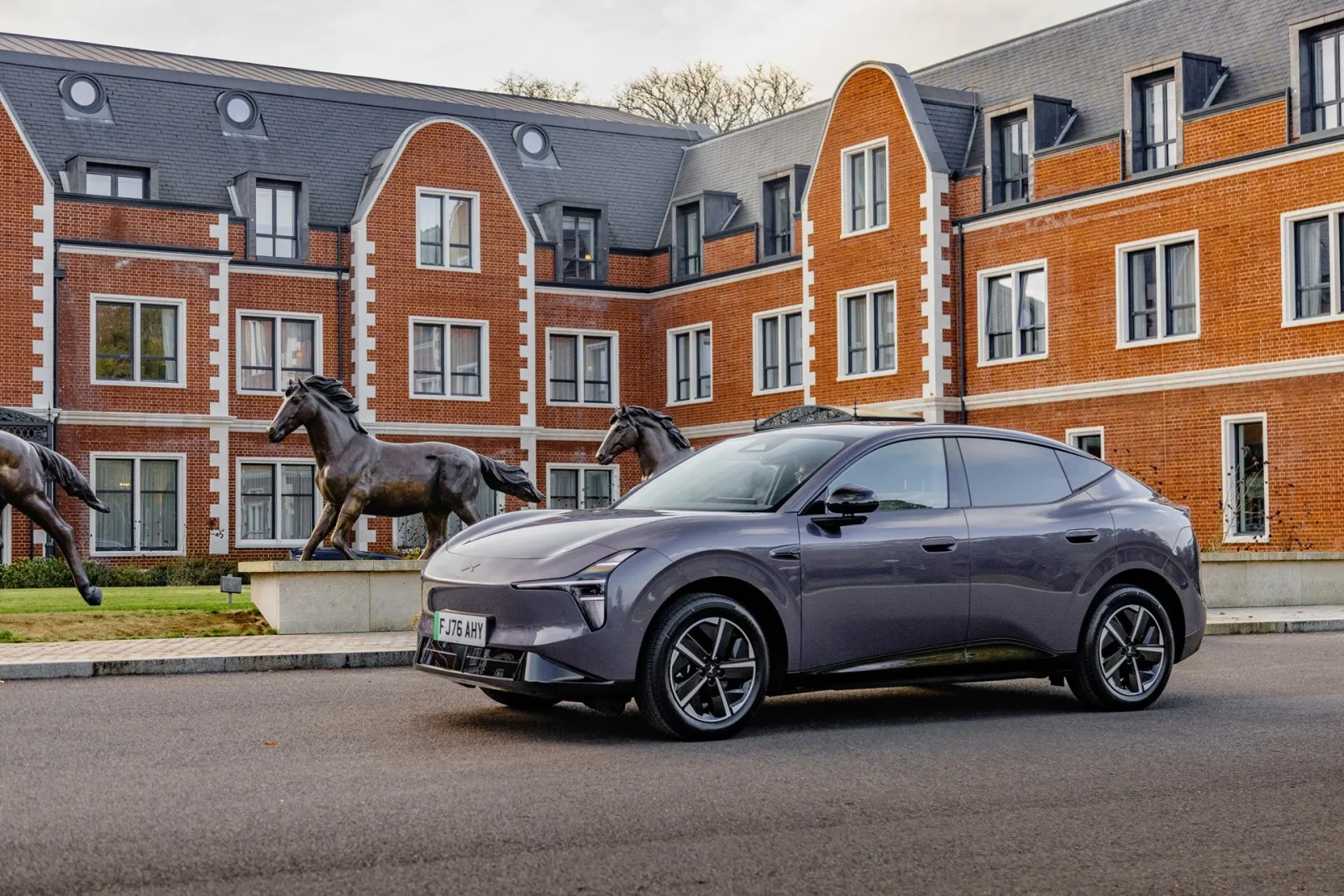
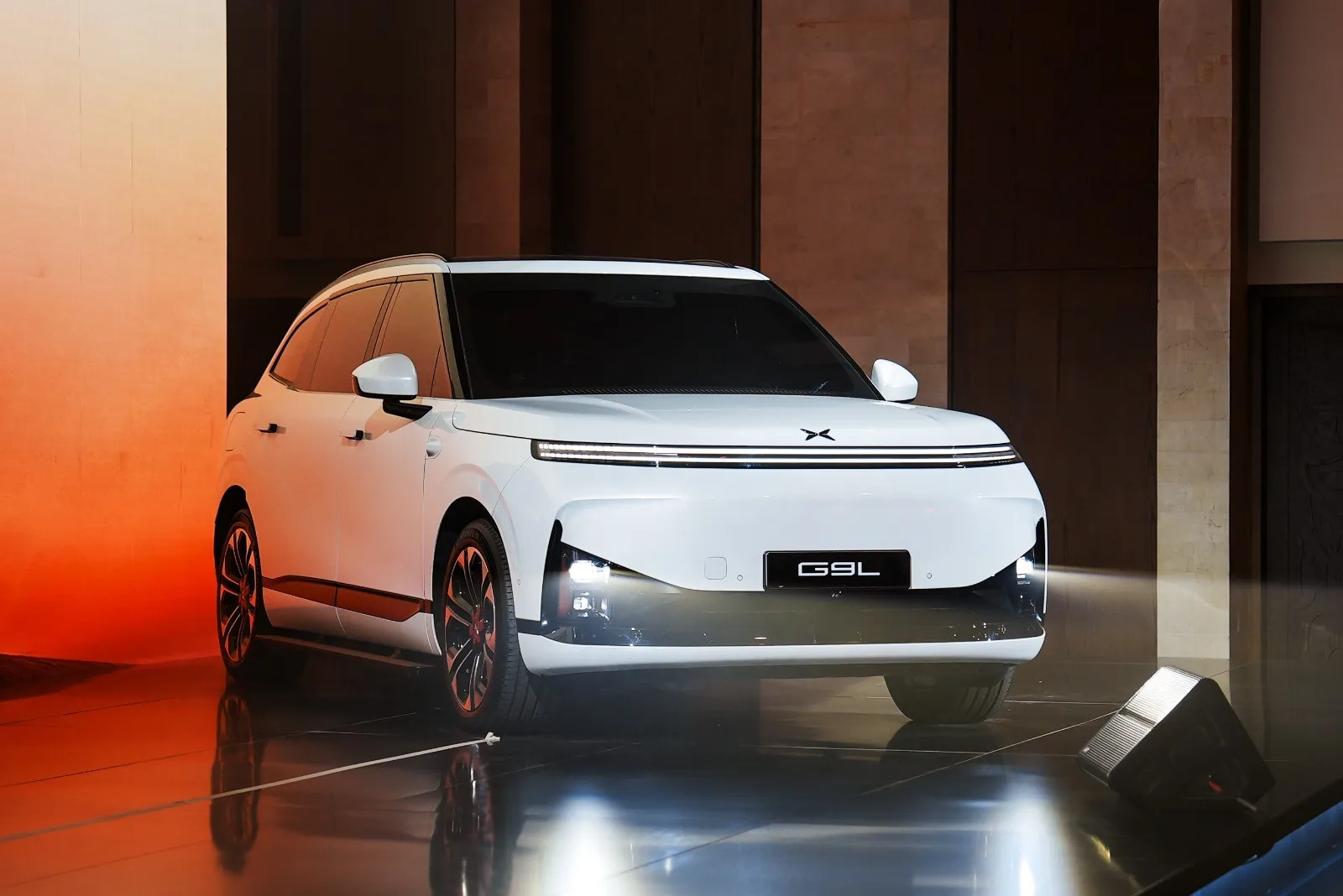
Xpeng has not listed every eligible version, but 5C charging is already offered on key models such as the G6 and G9, both sold in Europe, the X9 MPV and the new three-row G9L. In Europe the G9 is rated at up to 525 kW peak and the G6 at 451 kW, and both are quoted at 12 minutes from 10 to 80%. Whether European cars will receive the 6C update is still an open question: Xpeng has confirmed neither markets nor dates.
Megawatt chargers for Germany and the Netherlands
Faster cars need faster chargers, and here Xpeng had news as well. At the Guangzhou Auto Show on November 27 the company said it would open four more X-Energy megawatt stations within three months: a second one in Hong Kong, Australia's first, and its first two in Europe — one in Germany and one in the Netherlands. Exact sites and operators have not been named.
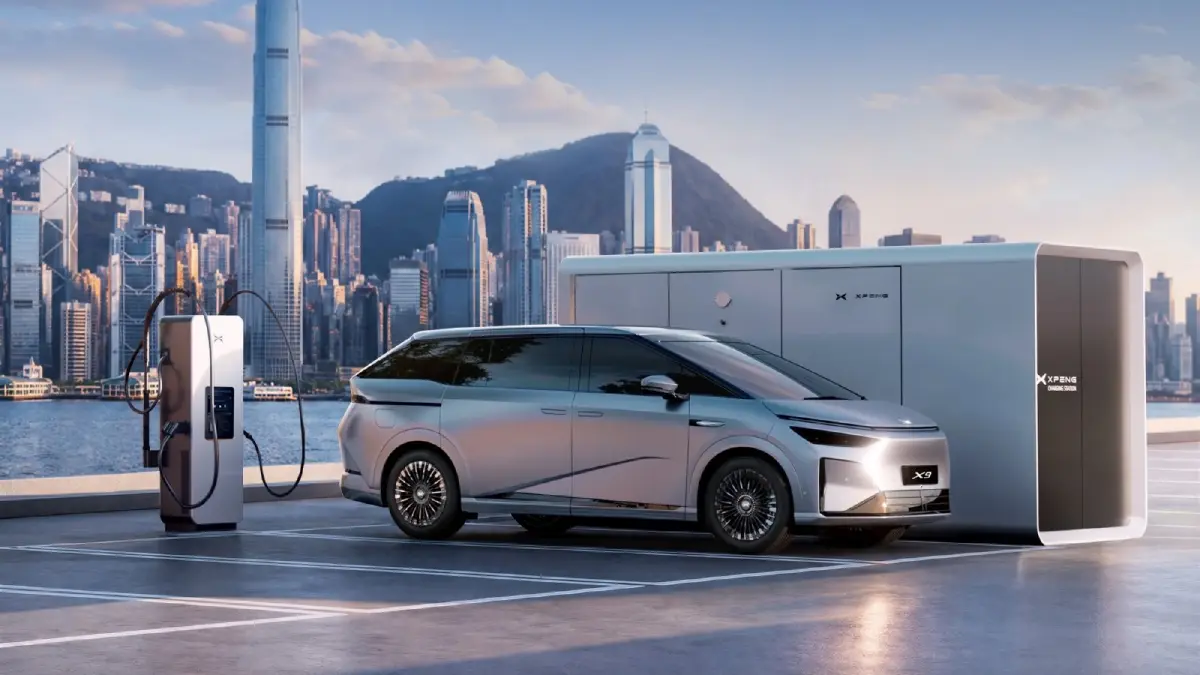
The first X-Energy station opened in September at a car park in San Po Kong, Hong Kong. It was built with local operator Halo Energy and is open to electric cars of every brand. Its peak output is 1,000 kW at up to 1,000 amps, yet it draws no more than 240 kW from the grid. The difference comes from a 400 kWh on-site battery that charges from the grid between sessions and boosts output when a car plugs in; Xpeng says retired EV batteries can be reused for this storage. That design is the main selling point in city centres, where a megawatt grid connection is expensive or simply impossible. The catch is that on a busy day the buffer can run down, and output then falls back towards what the grid supplies.
No production Xpeng can accept a full megawatt yet. In a demonstration, a G9L peaked at 619.6 kW and added 450 km of range in about nine minutes, which shows how much headroom the stations leave for future models.
A bigger push abroad
The charging news is part of a wider overseas offensive. Xpeng expects its overseas sales to exceed 100,000 vehicles for the first time in 2026, after a record 13,326 overseas deliveries in October, and aims to more than double that figure in 2027 with five new models for international markets. The Mona L05 SUV launches in Thailand in December and makes its European debut at the Brussels Motor Show in January, while the new P7 reaches Europe in the second quarter of 2027. The brand now operates in 83 countries and regions with more than 1,300 stores, and cumulative deliveries have passed 10,000 cars in each of Germany, France, Norway and Denmark.
Software was the other big theme of the week. A distilled version of Xpeng's second-generation VLA driver-assistance model will start reaching older cars with twin Nvidia Orin-X chips in December, and from the second quarter of 2027 the company plans to offer driver assistance to new buyers worldwide on a subscription basis.
Why it matters
An over-the-air charging upgrade turns a fixed hardware figure into something that can improve during ownership — an argument Xpeng clearly wants to use against BYD, whose own megawatt Flash Charging network is expanding quickly. For owners, the honest summary of Xpeng 6C charging is a modest but free gain that matters most on long motorway trips, and only at chargers powerful enough to deliver it. In Europe, where such chargers are still rare, the X-Energy stations in Germany and the Netherlands will be the first real test.

XPENG AI Day 2026: ORIGIN (official XPENG broadcast)