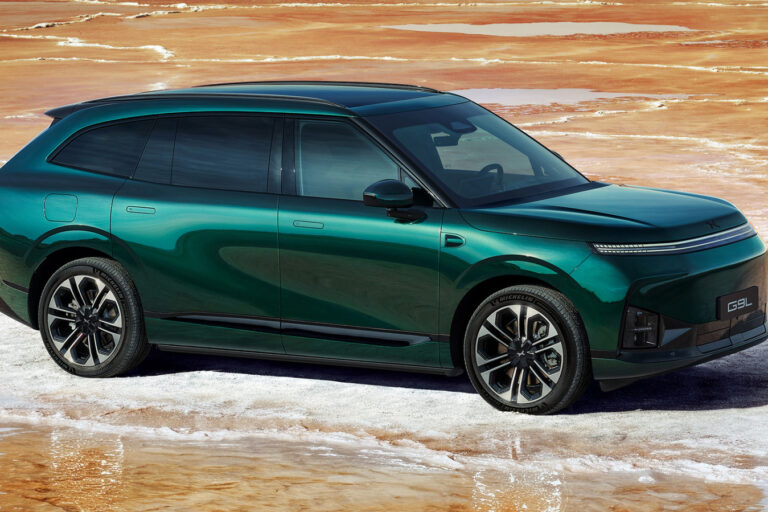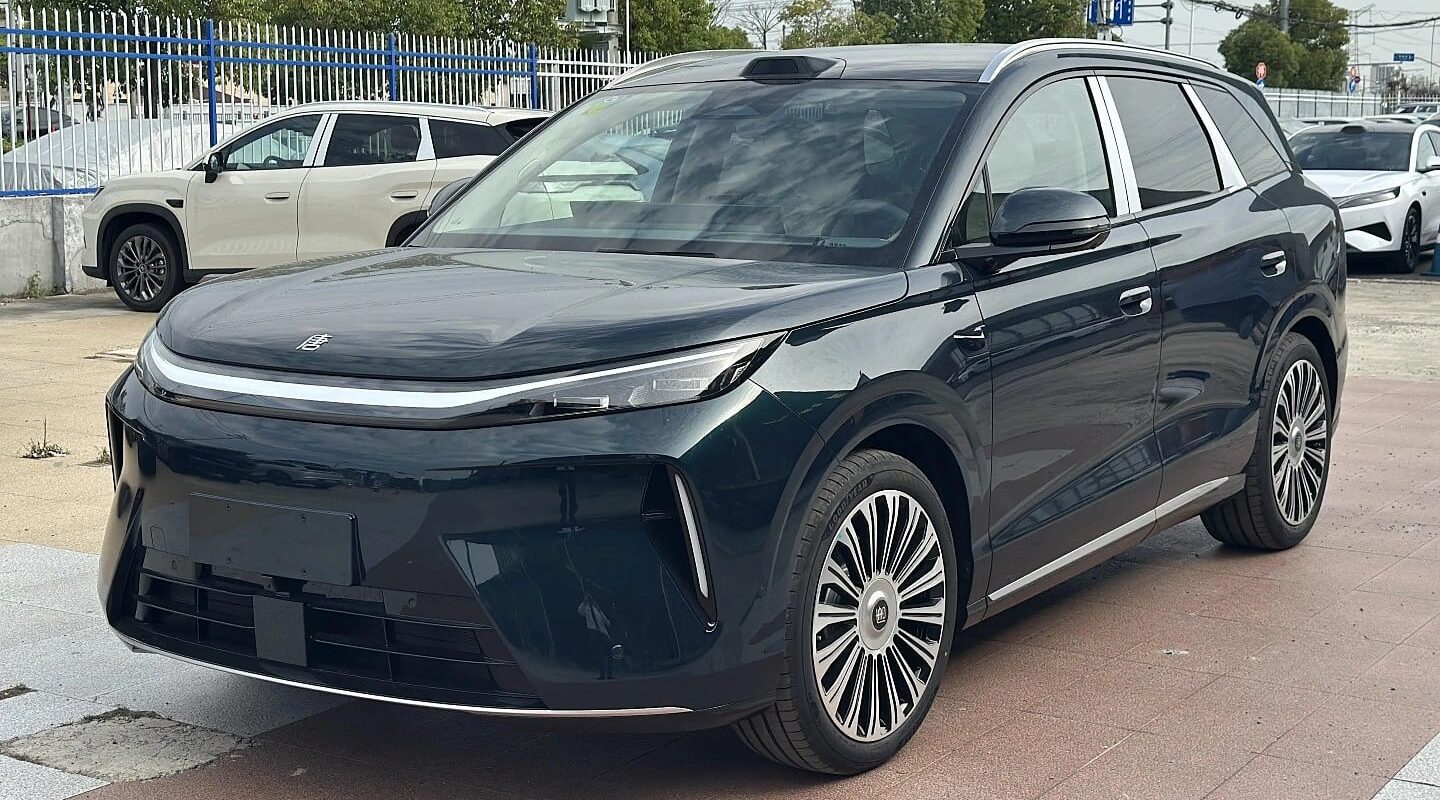
The third-generation BYD Tang EV is already sitting on dealer lots in China, weeks before its official launch. The big change is underneath: for the first time since the Tang name appeared in 2018, the electric version gets its own dedicated EV platform instead of sharing bones with combustion cars. It also drops the third row, becomes a roomy five-seater, and in its strongest form puts out 515 kW (691 hp).
BYD is expected to launch the SUV commercially in November, around the Guangzhou Auto Show. Retail prices and delivery dates will be announced then.
What dealers are paying
Dealer distribution notices seen by Chinese media list wholesale deposit prices of about $31,500 for the rear-wheel-drive Premium trim with 850 km of range and about $33,600 for the 850 km Flagship. These are what dealers pay BYD, not what buyers will pay, so they don’t tell us the final starting price. For context, the Tesla Model Y starts at roughly $35,000 in China.
BYD needs a strong product here. Domestic deliveries of the outgoing Tang fell to three-digit monthly numbers in September, while the brand’s newer Tang L and the full-size Da Tang have taken over the family-SUV role.
Bigger body, five seats
| Spec | 3rd-gen Tang EV |
|---|---|
| Length / width / height | 5,045 / 1,980 / 1,760 mm |
| Wheelbase | 2,950 mm (130 mm longer) |
| Seats | 5 |
| Rear-wheel drive | 300 kW (408 hp) |
| All-wheel drive | 515 kW (691 hp), 215 kW front + 300 kW rear |
| Top speed | 250 km/h |
| Curb weight (AWD) | 2,520 kg |
| Batteries | 88.682 kWh / 105.792 kWh Blade LFP |
| CLTC range | 730 km / 850 km (RWD), 830 km (AWD) |
| Fast charging | 10–70% in 5 min, 97% in 9 min (claimed) |
Rear passengers get the most from the switch to five seats. Second-row legroom is over 1,000 mm, and the power-adjustable backrests recline up to 130 degrees. There are fold-out tables, magnetic mounts for accessories, a front trunk and a hidden compartment under the cargo floor. The center console holds a compressor fridge that can also warm drinks.
Up front, BYD’s famous rotating screen is gone. In its place is a fixed 30-inch panoramic display, with an optional 35.4-inch strip screen across the lower dashboard. The software runs BYD’s newest interface with its AI voice assistant.
Air suspension and a proper chassis
The chassis is all new too. The front uses aluminum double wishbones instead of MacPherson struts, and the rear gets a five-link setup. BYD’s DiSus-A system adds dual-chamber air springs and adaptive dampers, so the car can change its ride height and stiffness, with roof cameras scanning the road ahead.
Flash charging and lidar
Power comes from BYD’s second-generation Blade LFP batteries. With BYD’s megawatt flash charging, the company says the pack goes from 10% to 70% in about five minutes and to 97% in nine minutes in normal temperatures; in extreme cold it takes about three minutes longer. Real-world times will depend on the charger.
For driver assistance, the Tang EV uses DiPilot 300 (God’s Eye B), with a lidar on the roof, front stereo cameras, radars and surround cameras. It supports highway and city navigation on autopilot plus automated valet parking.
Our take
The old Tang EV was showing its age, and this one fixes almost everything at once: a real EV platform, a much better chassis, 5-minute charging and lidar as standard kit. If the final retail price lands near the dealer figures, the new Tang EV will be a serious rival to the Model Y and to Chinese premium SUVs that cost a lot more.
Sources: CarNewsChina, CnEVPost, MIIT filing data.